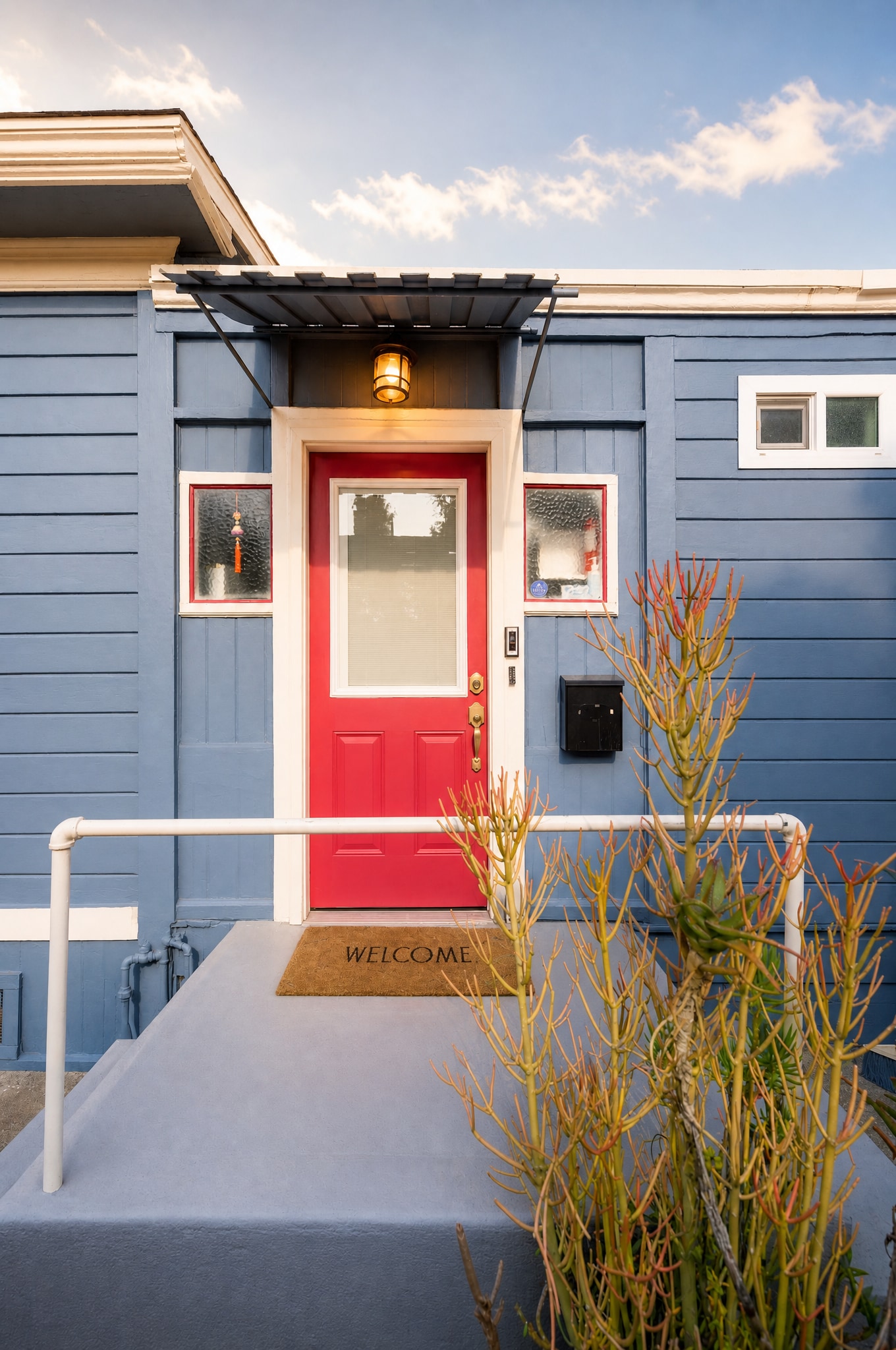
The safe rule: clarify, do not change the offer.
Short-term-rental photos are not ordinary marketing images. They set expectations for a paid stay. AI editing should make the real property easier to evaluate, not make the offer look better than it is.
That means the room, layout, amenities, access, view, furniture, and permanent condition stay protected.
Safe AI image changes.
These edits usually fit a listing-safe workflow when the source photo supports them. They improve presentation without changing what the guest receives.
- Brightness and shadow recovery
- White balance and natural warmth
- Clarity, contrast, and sharpness
- Mild perspective correction
- Small temporary-item cleanup that does not hide condition
Risky AI image changes.
The risky edits are tempting because they create a stronger-looking image quickly. They are also the edits most likely to create guest trust problems.
If an edit needs to invent something important, it should be rejected. The better move is a reshoot, a listing update, or a real property improvement.
- Adding a hot tub, fireplace, water access, or other amenity
- Changing furniture, room layout, flooring, or fixtures
- Hiding damage, stains, wear, access issues, or permanent flaws
- Inventing a view, season, neighborhood context, or landscaping
- Making a small room look larger than it is
Why review-first editing matters.
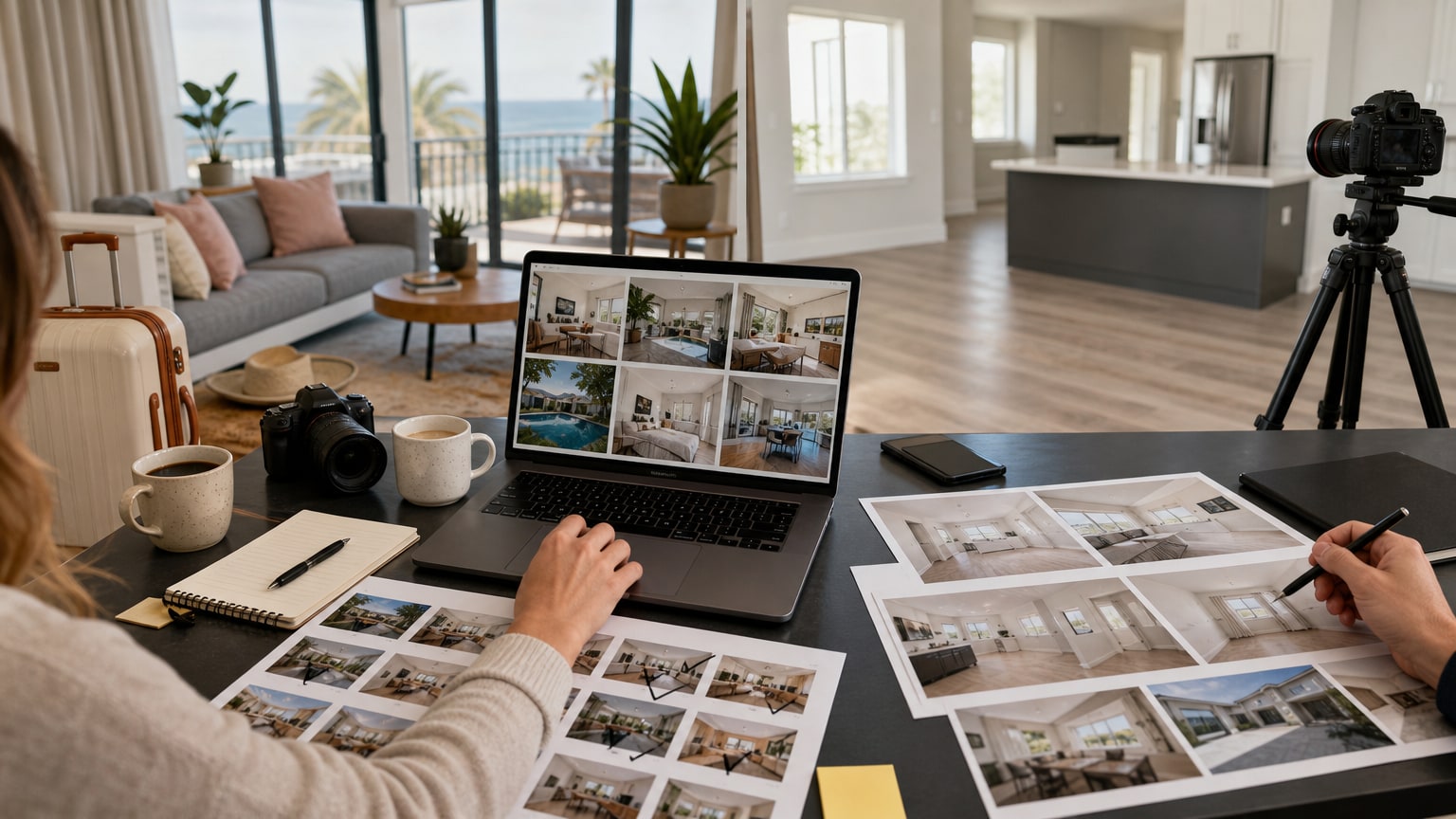
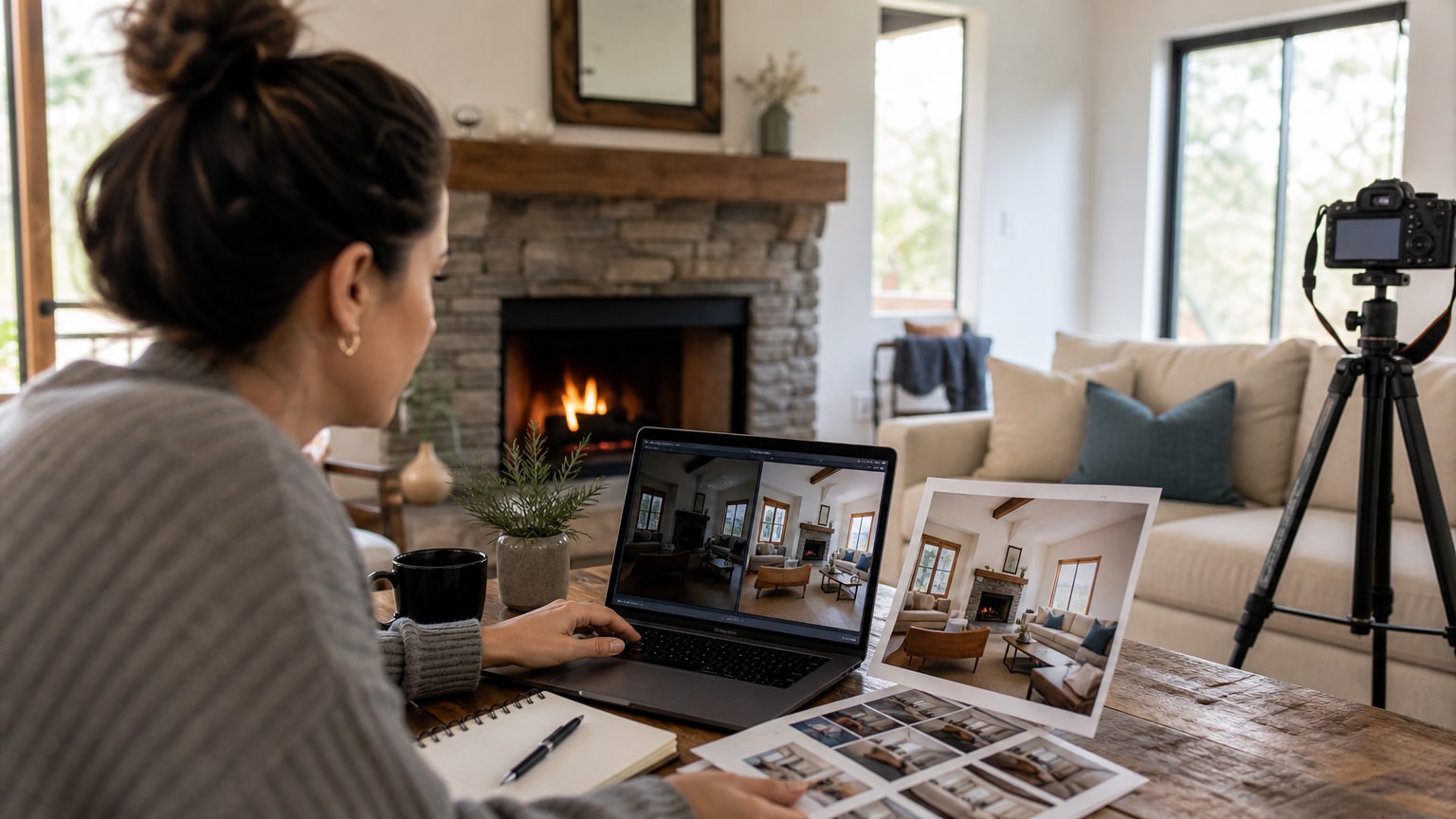
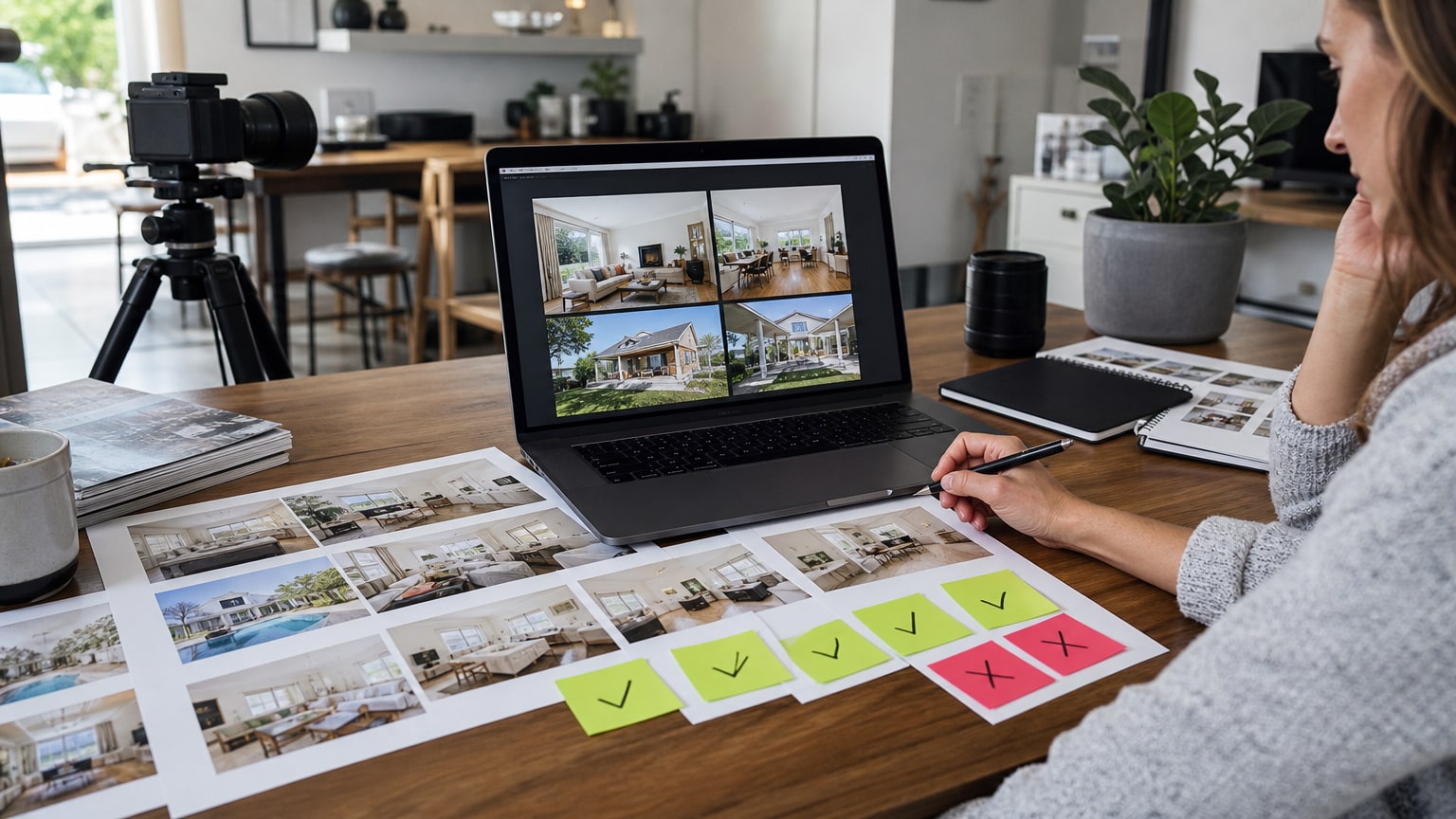
The most useful AI workflow starts before the image model runs. Each source photo should get a short property-protection brief: what must stay, what can improve, and what would mislead a guest.
That is the STR image spin: use AI for speed and polish, but keep host accountability and guest trust at the center of the workflow.
FAQ
Is AI photo editing allowed for Airbnb listing images?
Airbnb treats AI-edited imagery as content, so hosts remain responsible for whether it is accurate and policy-safe. The practical approach is to keep edits truthful and avoid anything that misrepresents the listing.
What AI photo edits should Airbnb hosts avoid?
Avoid adding amenities, hiding damage, changing the room layout, inventing views, changing permanent features, or making access and surroundings look different from reality.
Source notes
Keep reading
- ethical AI photo editing for Airbnb Use the deeper policy guide to define what should never change.
- short-term-rental photo checklist Audit the source gallery before deciding what to edit.
- real estate photo editing for Airbnb Compare STR guest-trust rules against broader real estate editing habits.
- start a review-first order Have the gallery checked before AI generation starts.